
Biodiversity Killers - Episode 2: Garlic Mustard
Invasive plants disrupt ecosystems and rapidly reduce biodiversity. This episode takes a look at garlic mustard in North America and highlights some effective management strategies.
Welcome to the second in a series about biodiversity killers - plants that spread rapidly and take over ecosystems if left unchecked. Here, we take a look at some of the worst offenders and the best practices for managing them.
Missed the first one? Episode One on European buckthorn can be read here.
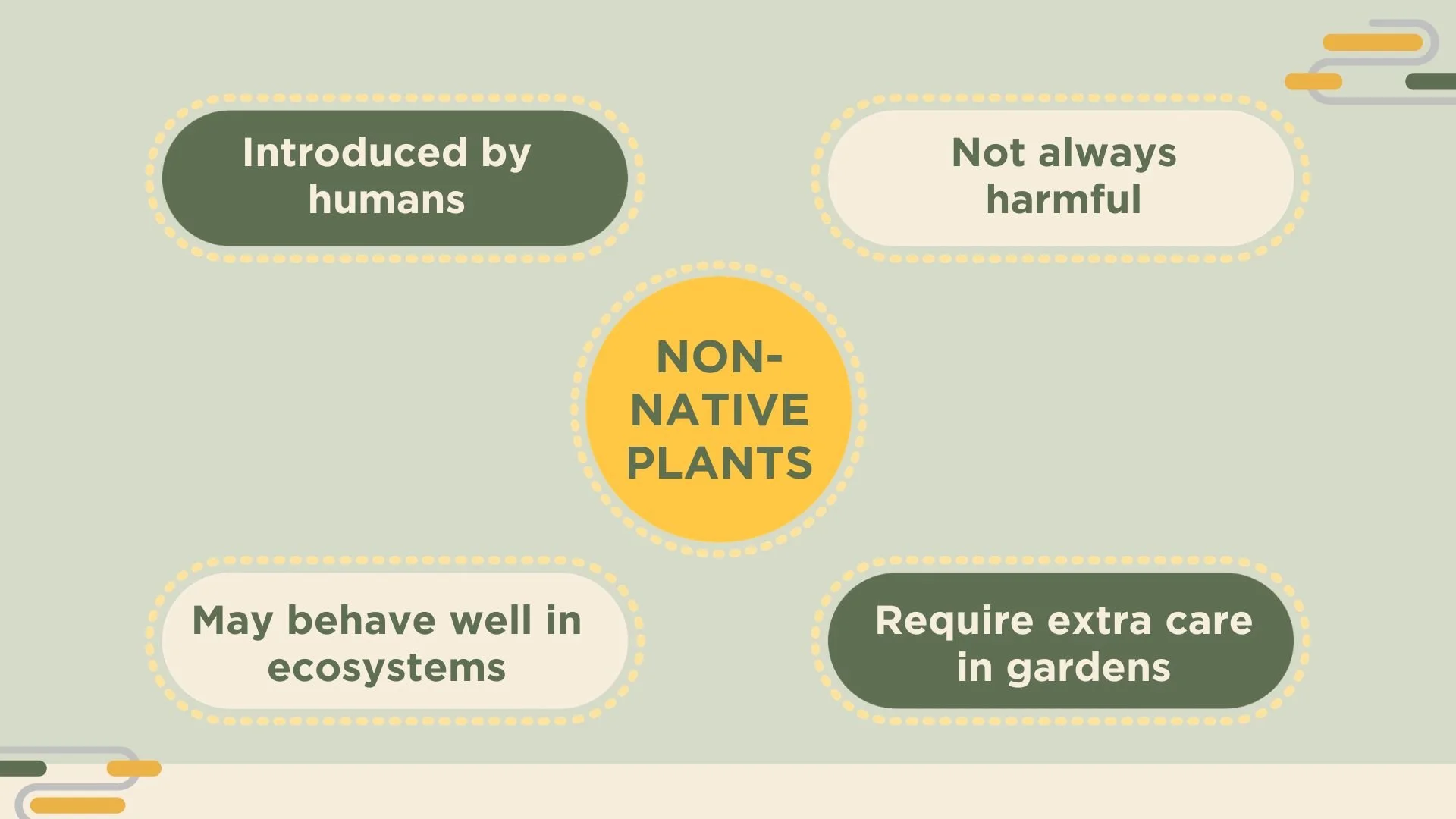
Before we dive into garlic mustard details, let’s get a better understanding of the differences between native, non-native and invasive plants.
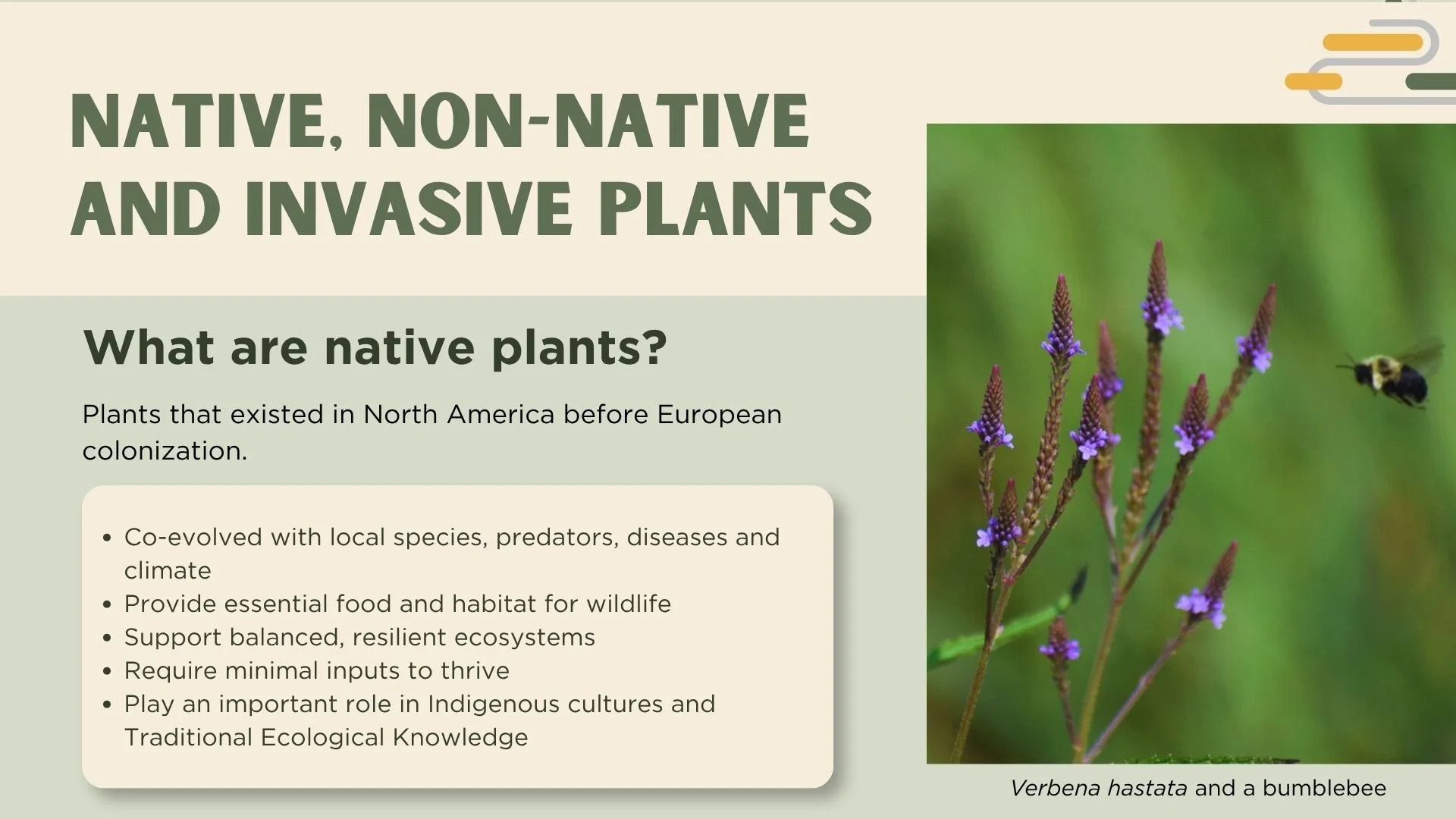
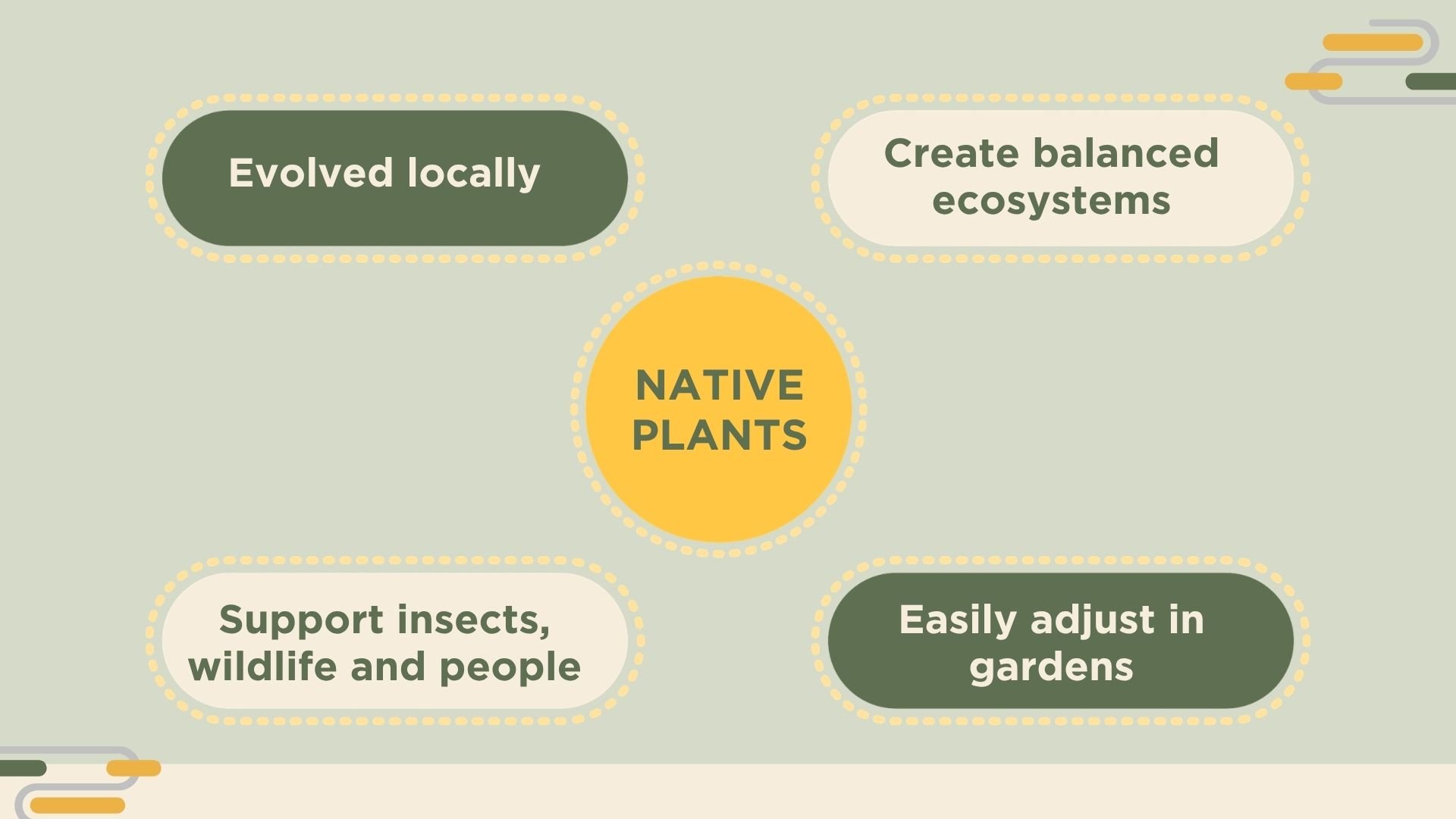
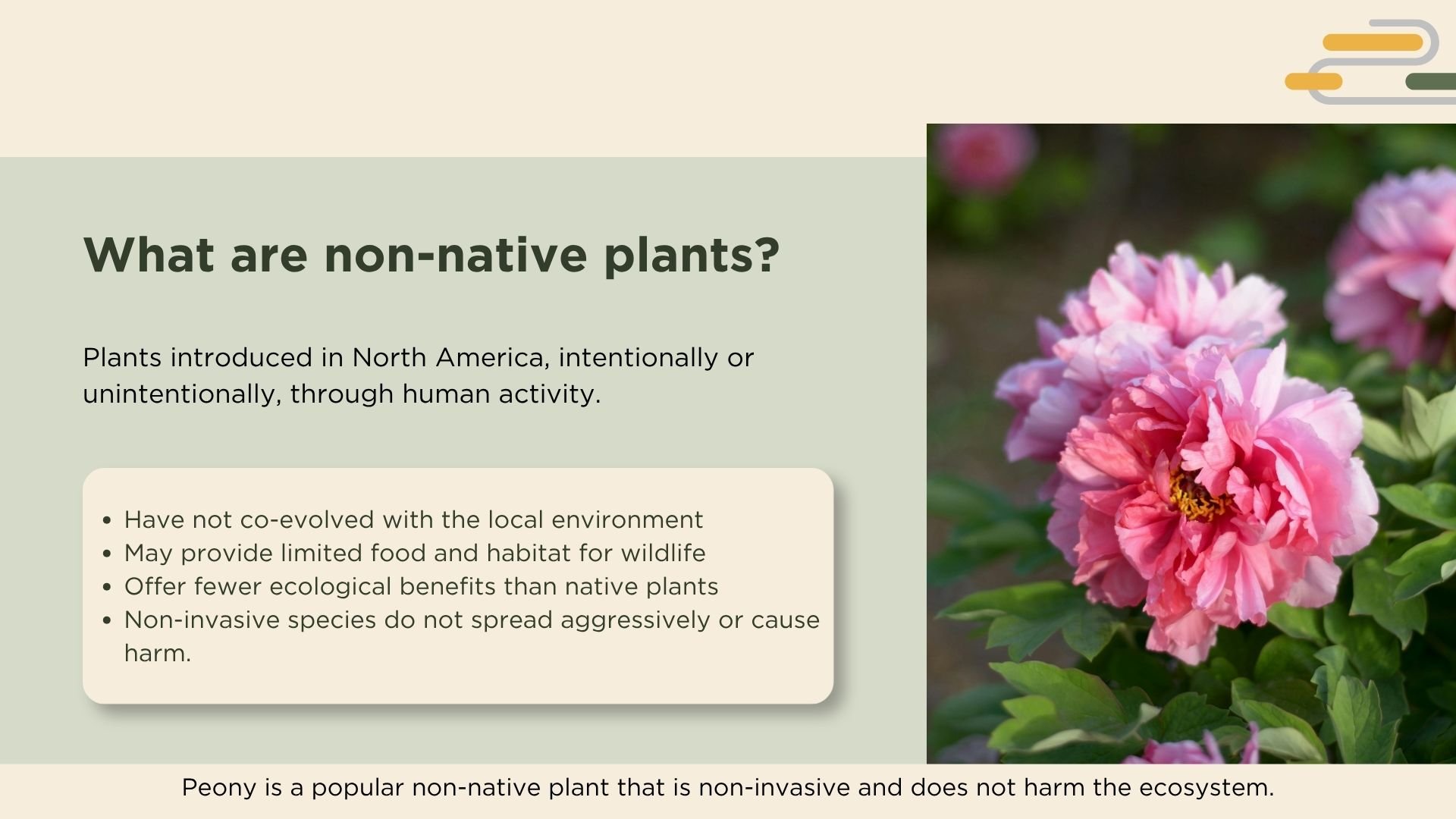
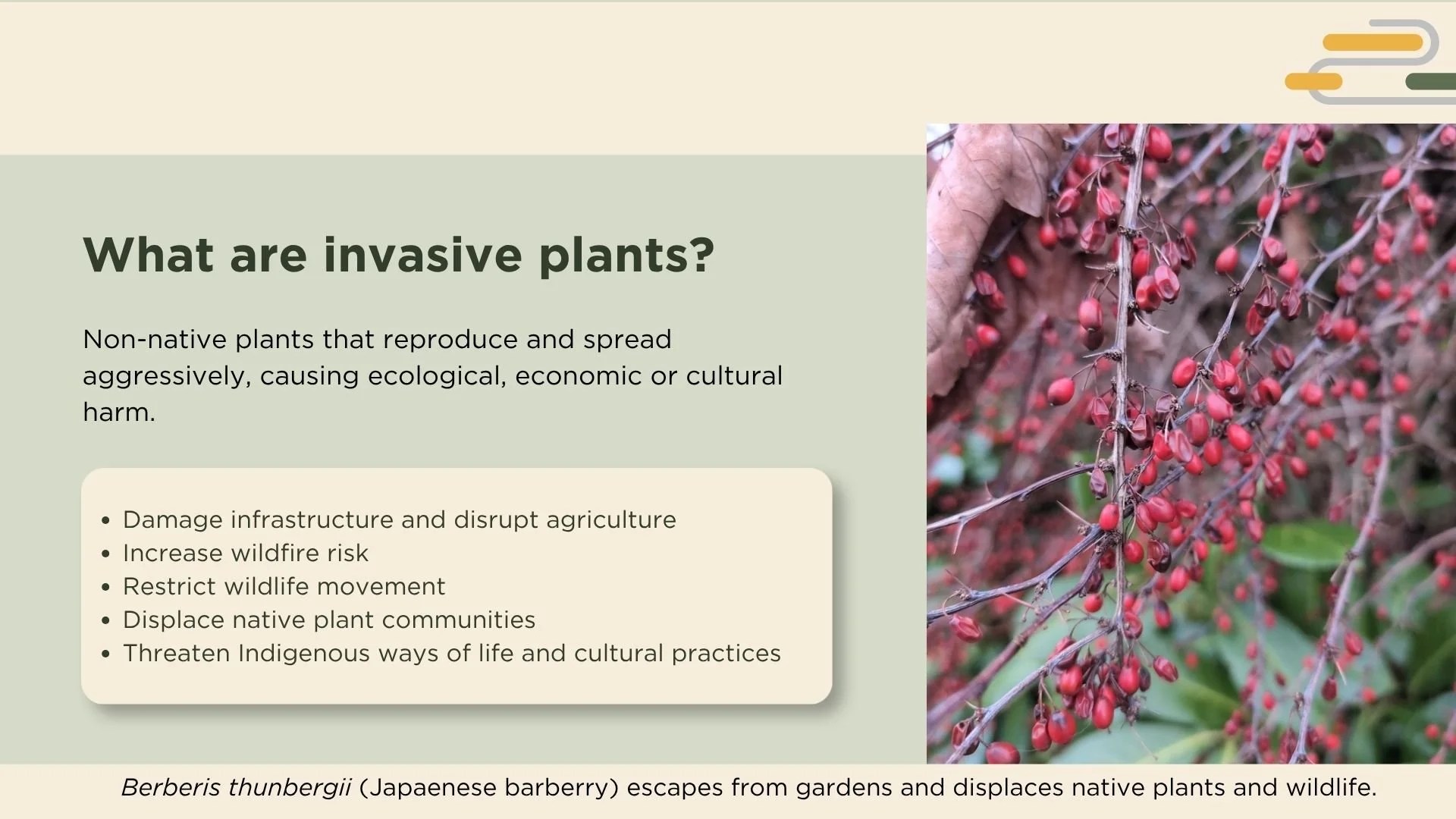
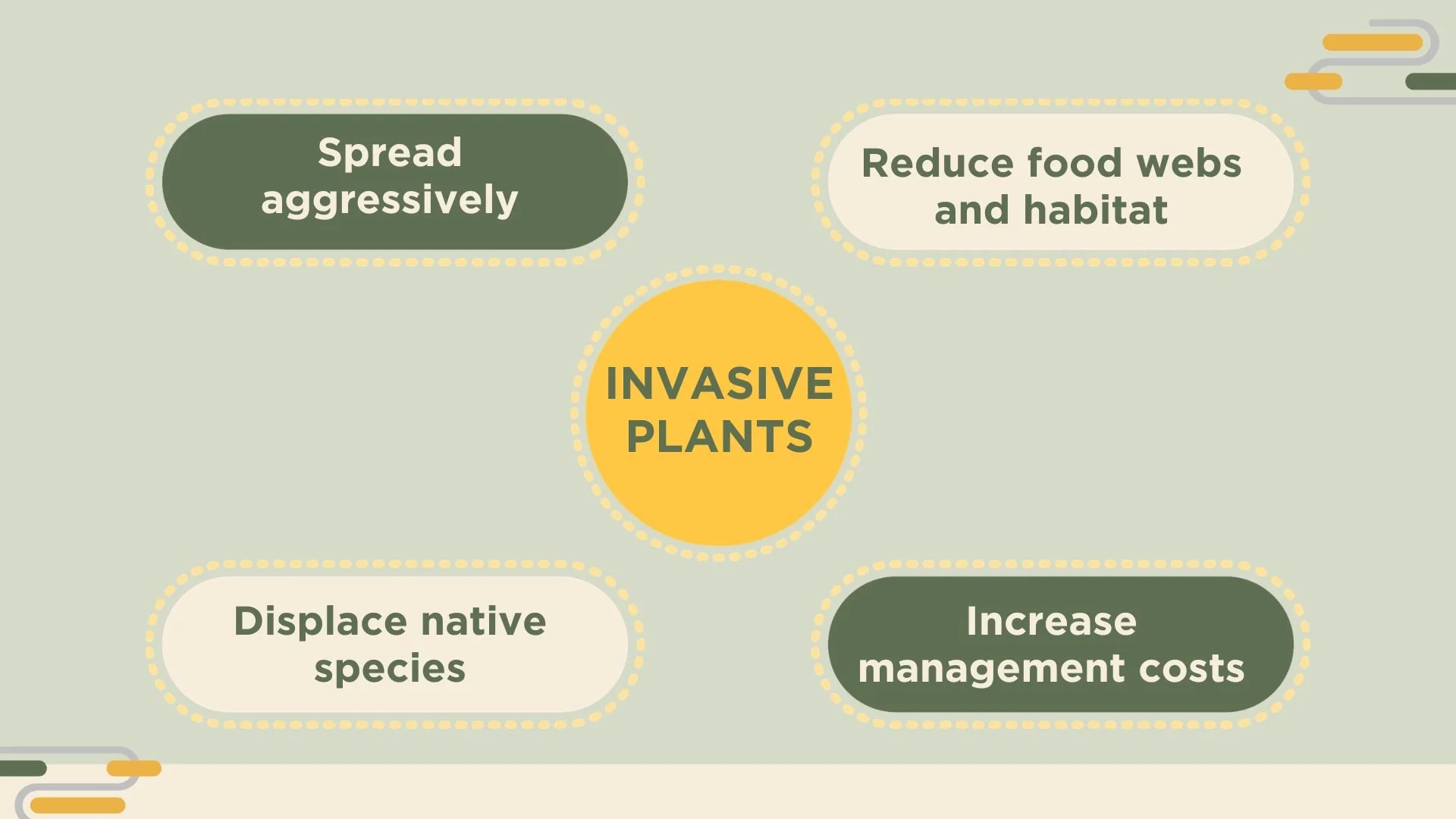
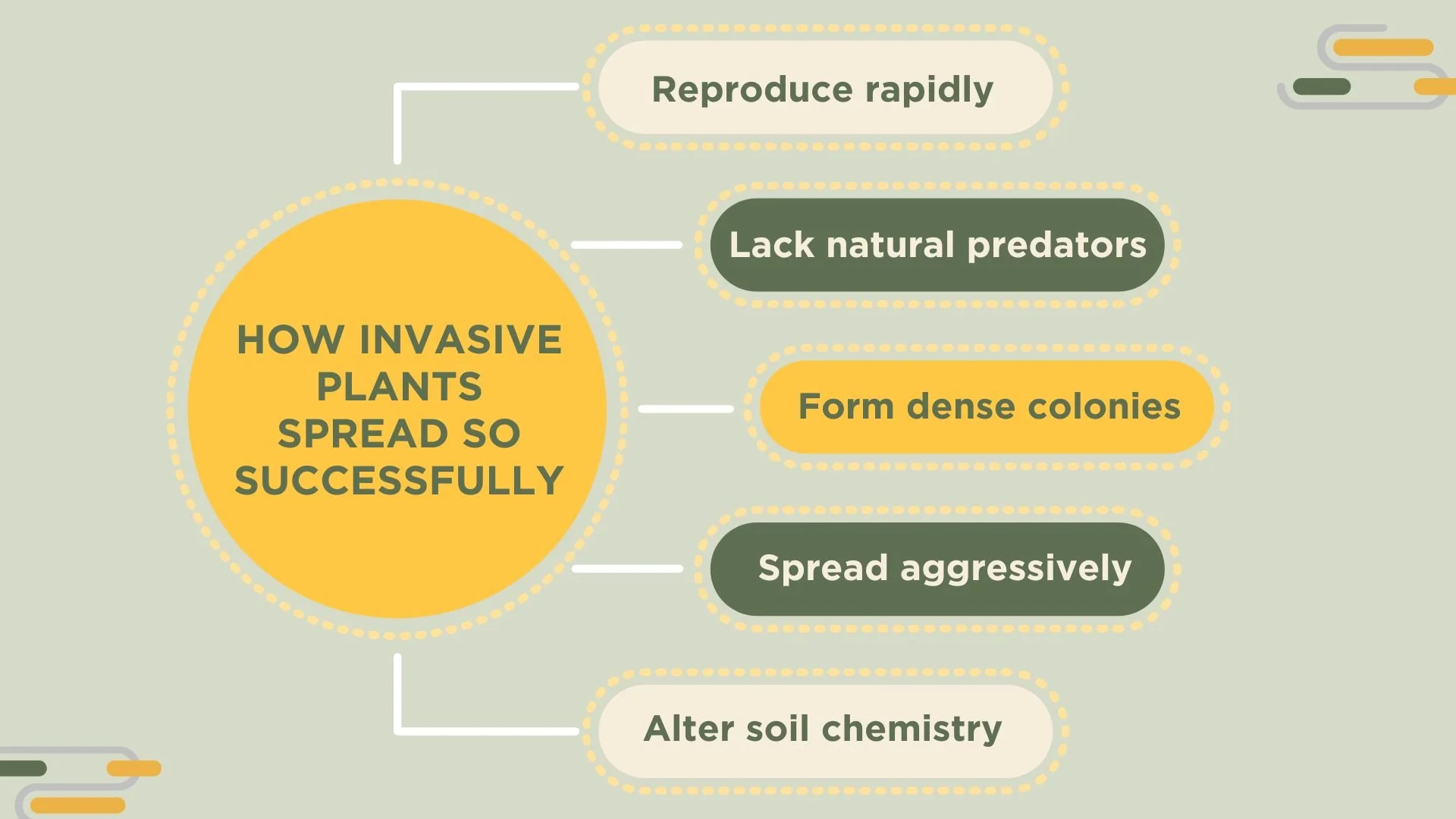
Invasive plants, like garlic mustard, share the following traits that allow them to thrive in new environments:
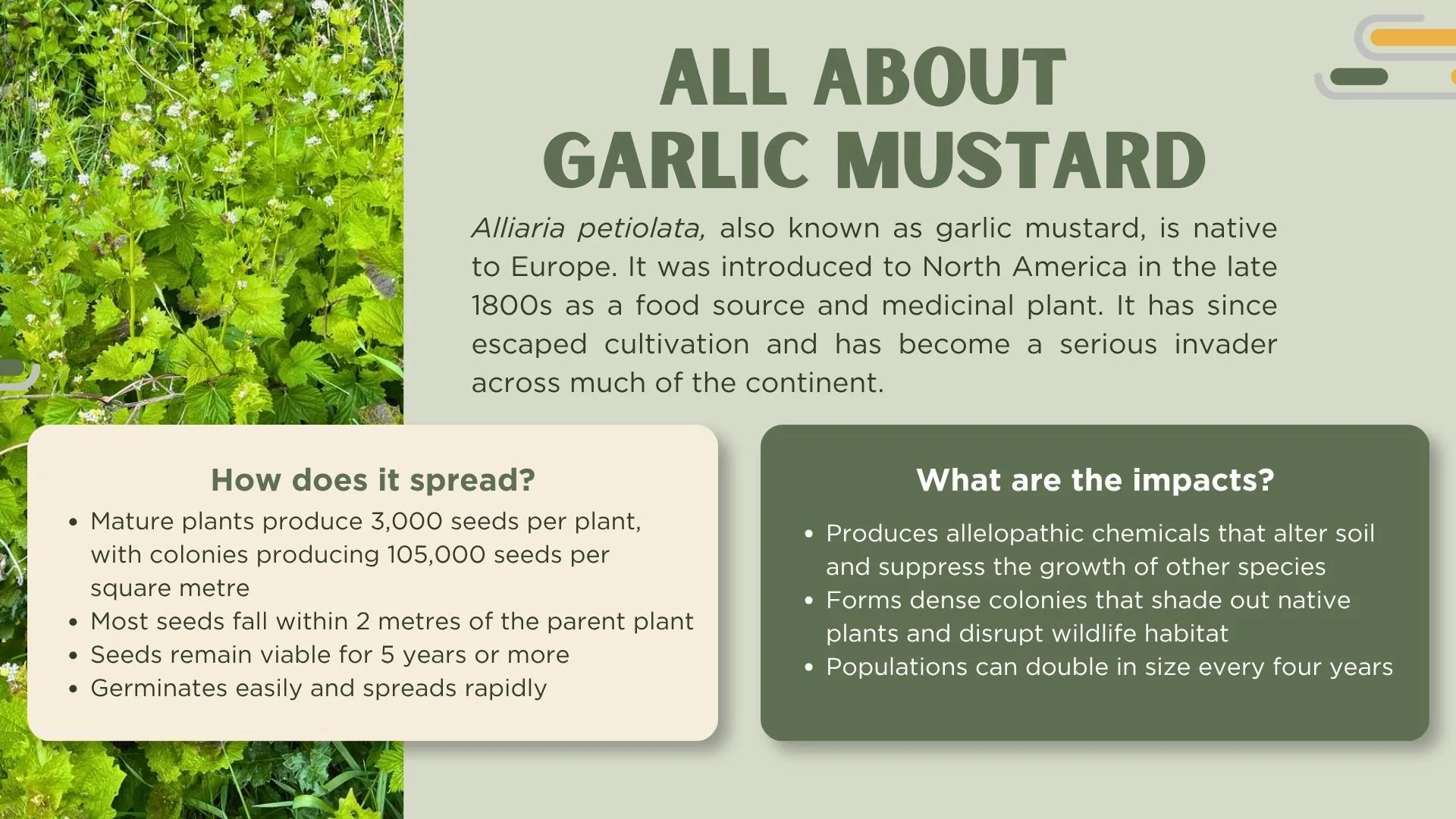
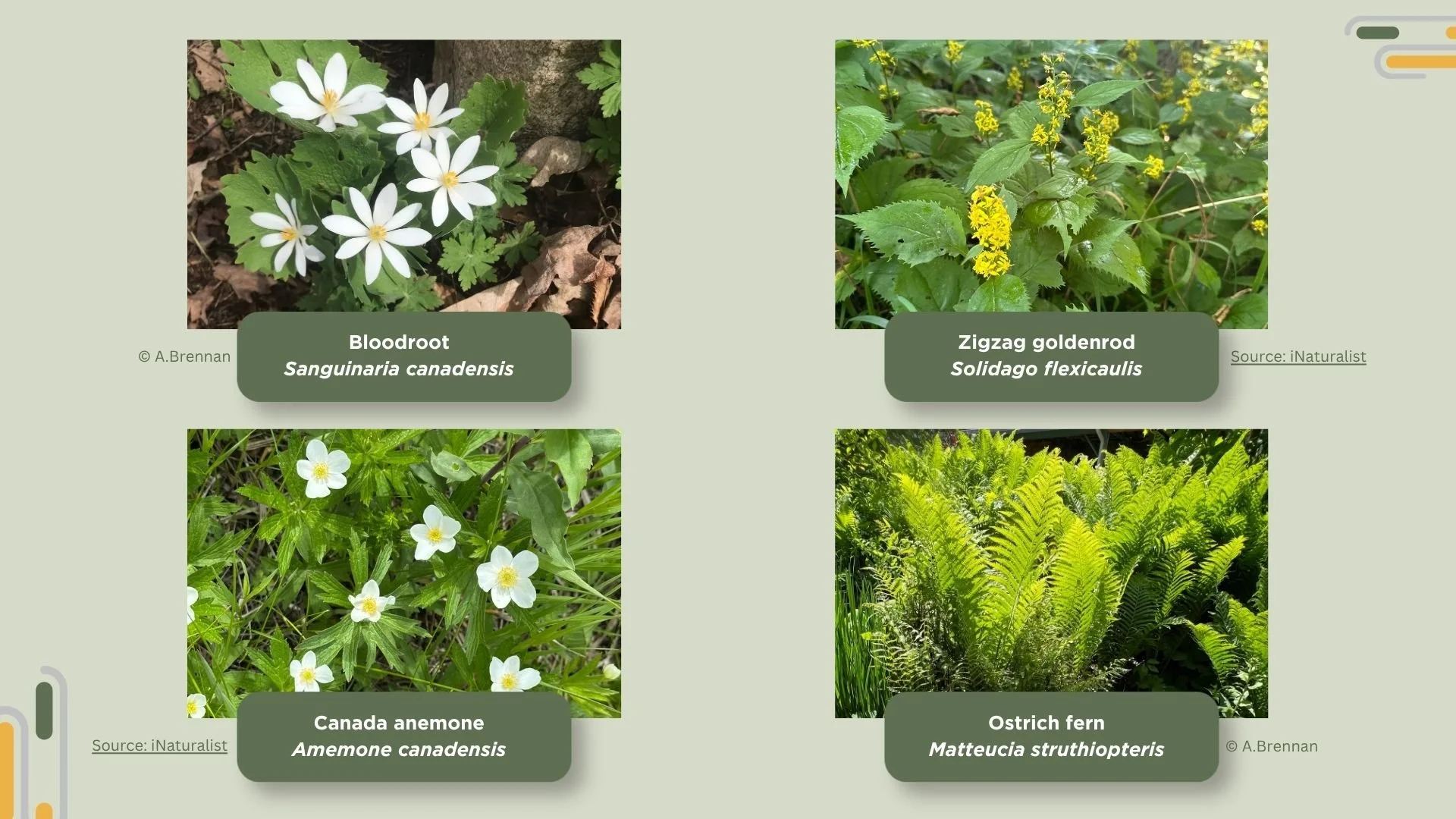
When garlic mustard spreads unchecked, it forms dense patches that block sunlight from reaching the forest floor. This crowds out spring ephemerals like trilliums and bloodroot, which are critical early season food sources for native bees and other insects. It also prevents tree seedlings from establishing, reducing forest regeneration and overall biodiversity.
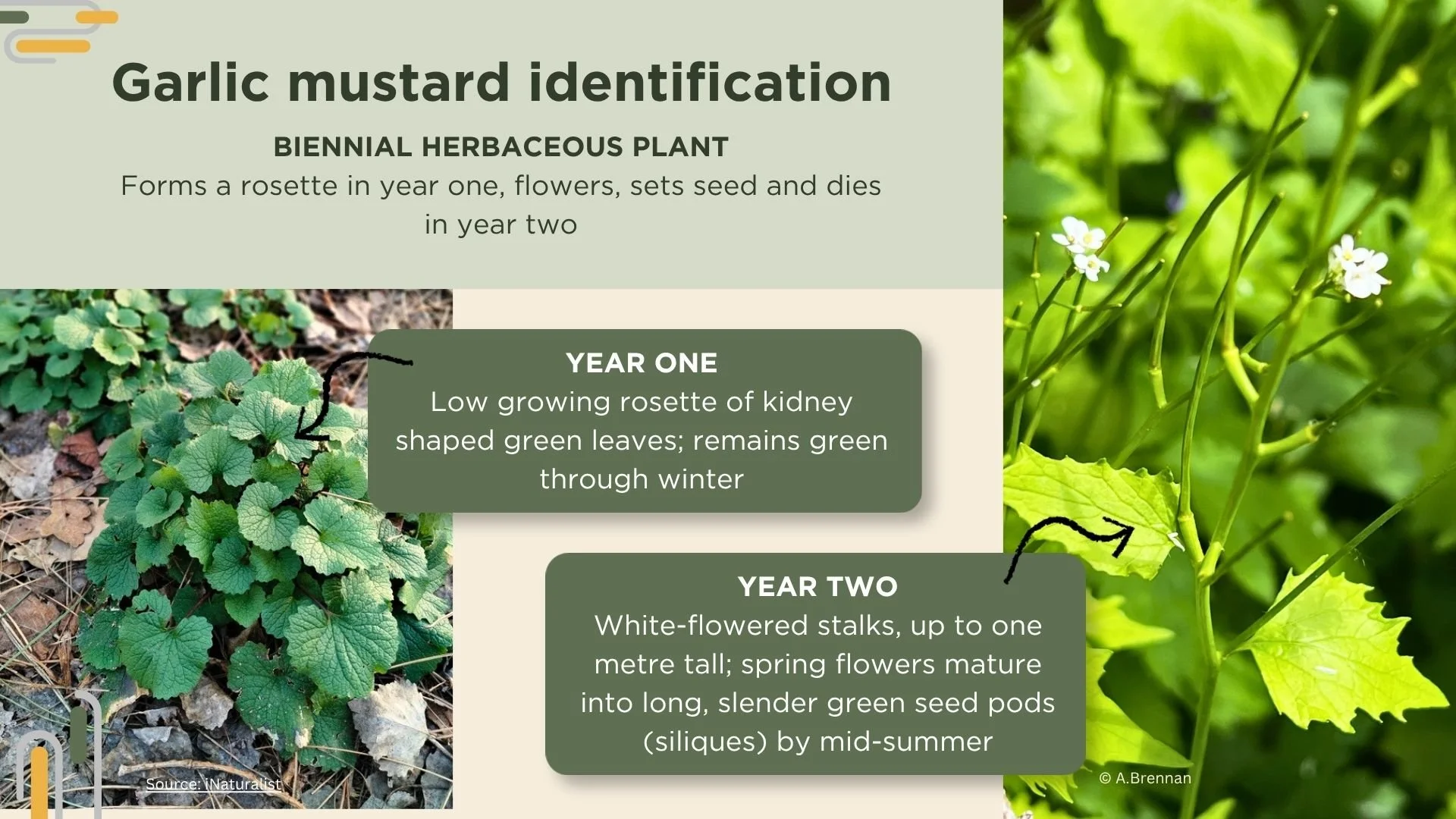
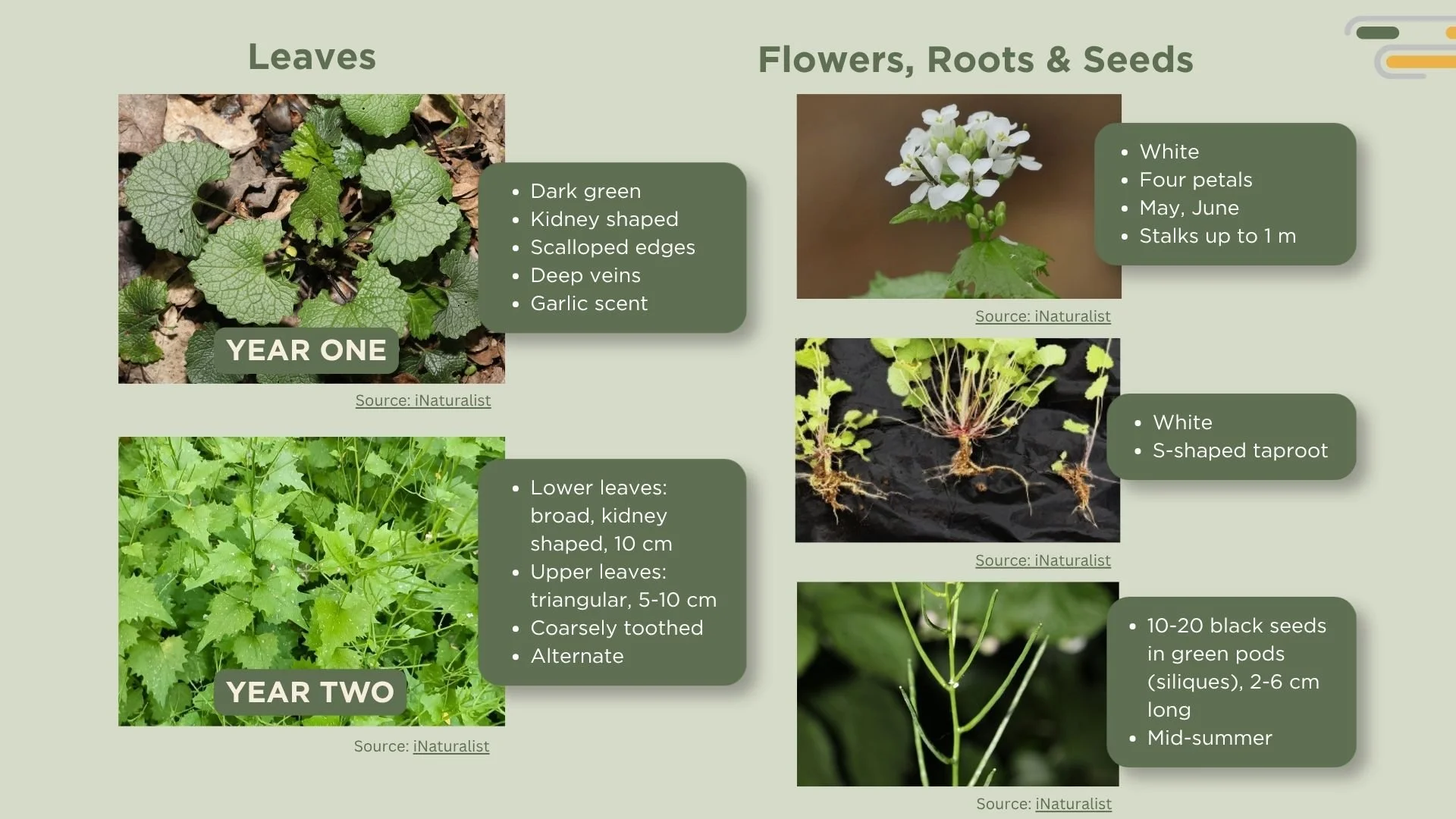
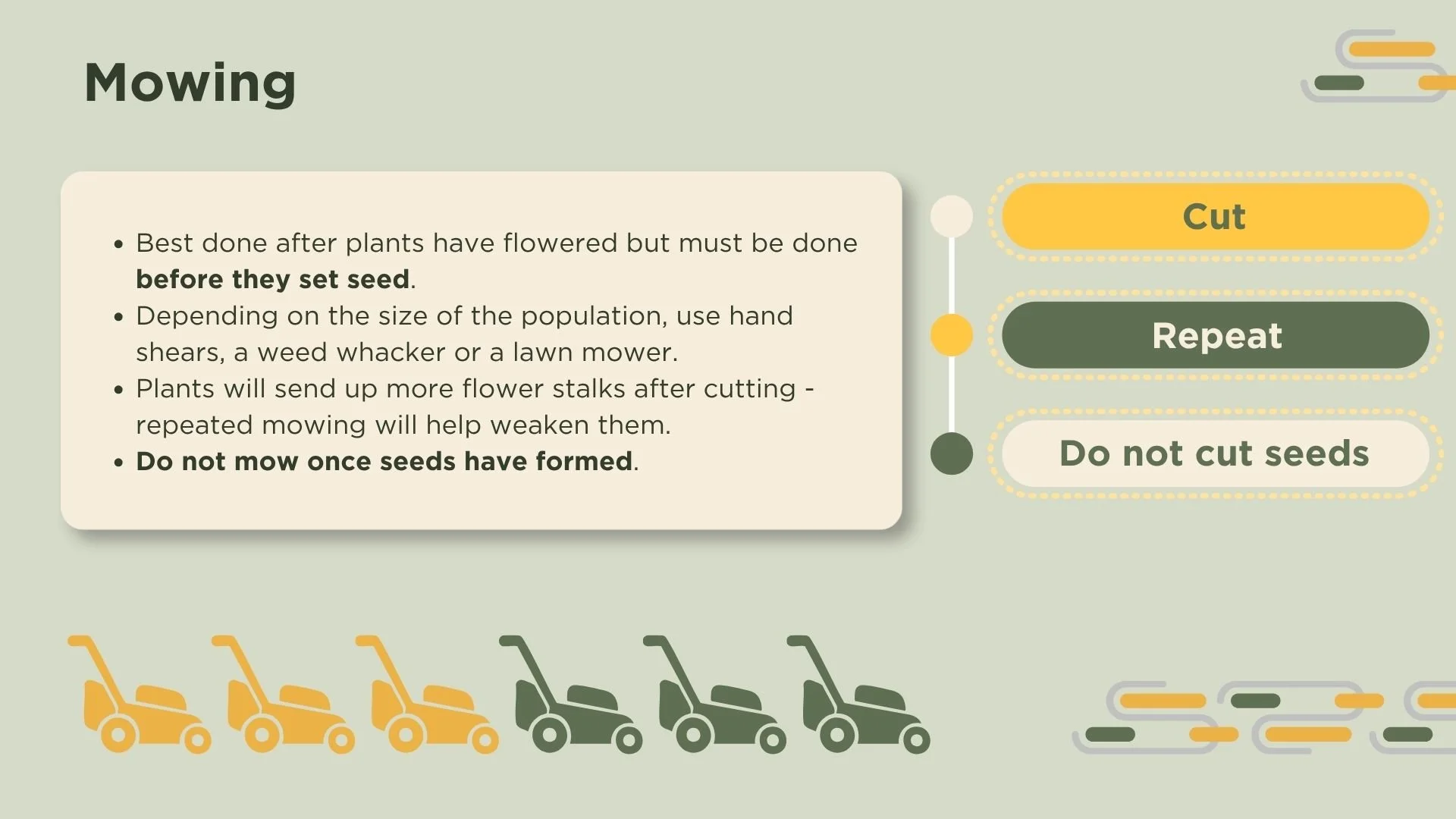
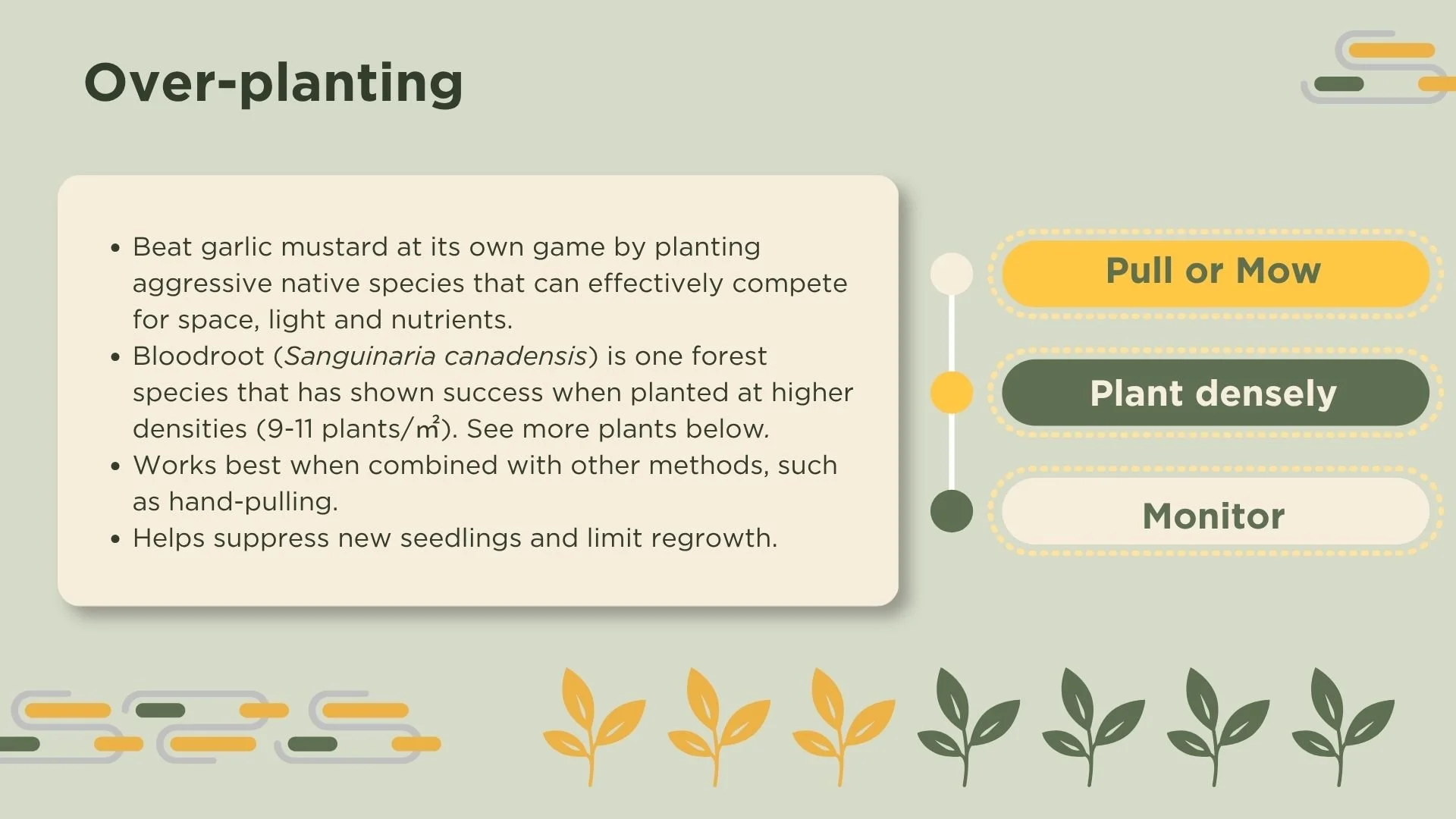
Garlic mustard has been widely studied and several effective management strategies have been identified. This episode focuses on three key methods: hand-pulling, mowing and over-planting, each suited to different plant stages, seasons and population sizes.
One important detail to note: avoid mowing once plants have produced seeds. Mowing at this time will spread seeds and make the infestation worse.
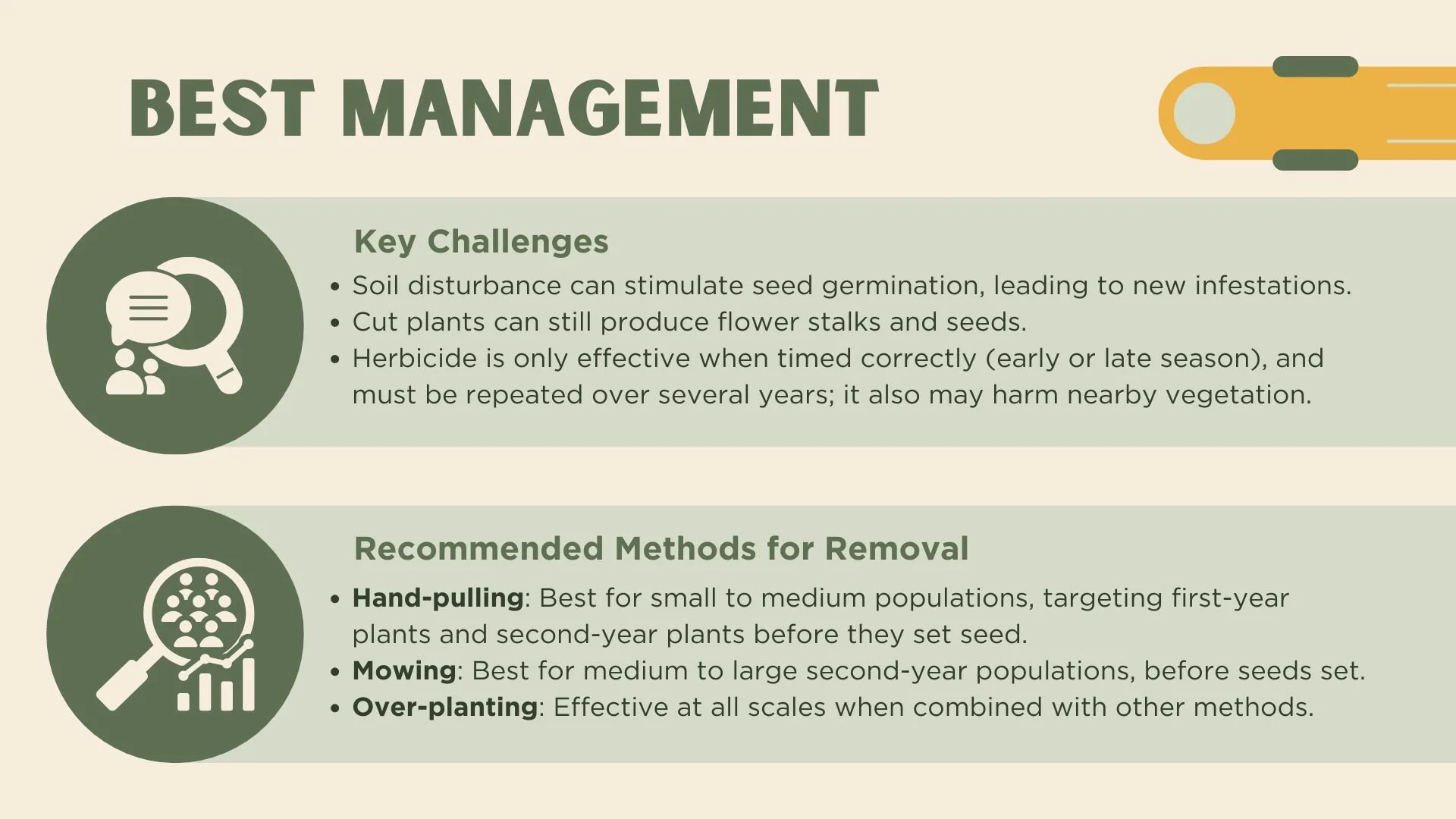
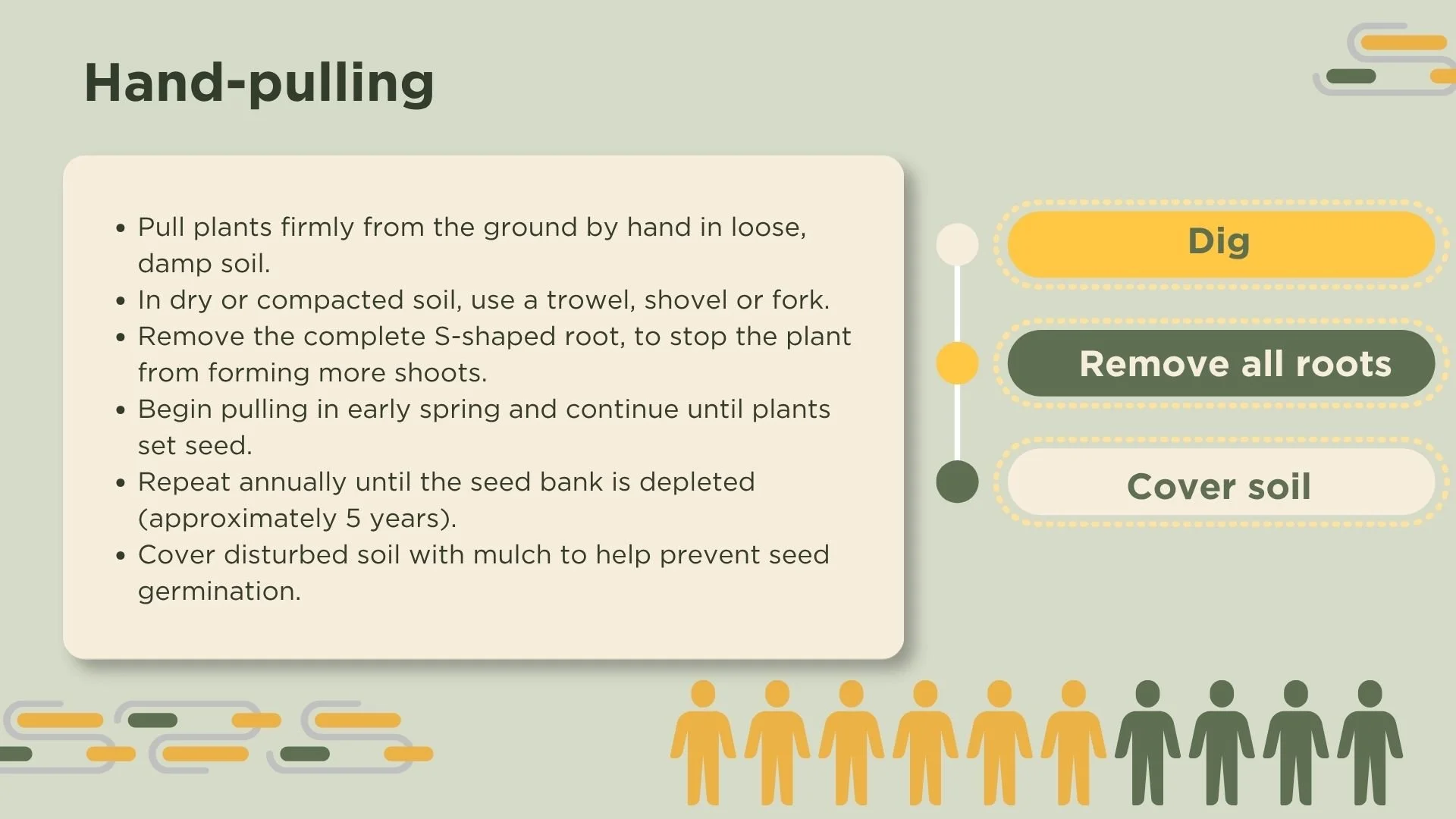
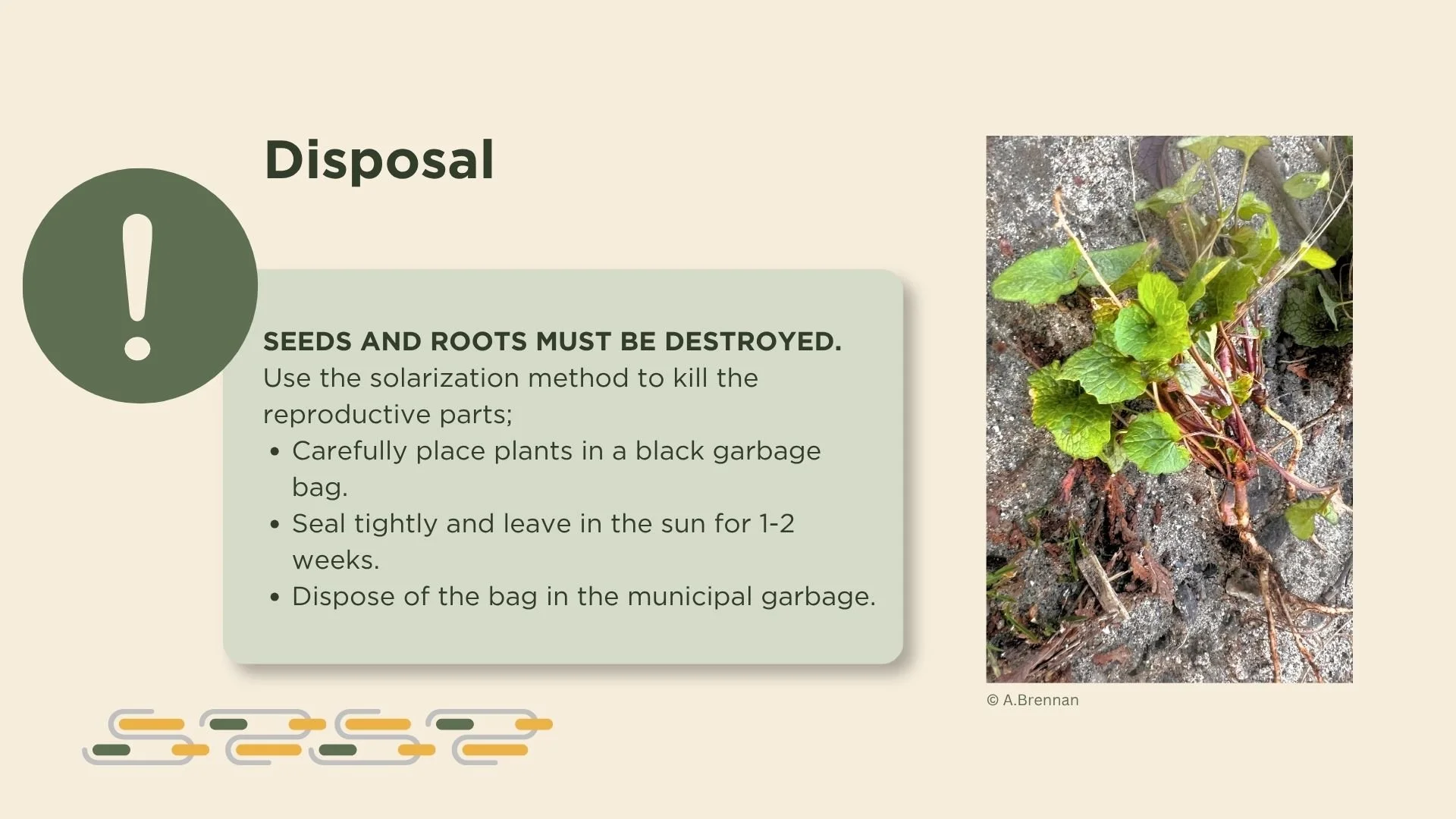
Don’t toss plants into the compost pile! Their roots can regrow and their seeds will have a new place to germinate.
Resources:
Espace pour la vie - Garlic mustard: an invasive plant that threatens our flora
Invasive Species Centre- Garlic Mustard
Ontario’s Invading Species Awareness Program - Garlic Mustard
Ontario Invasive Plant Council - Garlic Mustard
The Nature Conservancy - Garlic Mustard: Invasive, Destructive, Edible
Tree Canada - Tree Killers: Garlic Mustard
Think you might have garlic mustard growing on your property?
Contact us and we’ll help you get started with your management plan.