A stunning, tall plant with large clusters of pink flowers that mature into beautiful fluffy seed heads,. Full sun to part shade is ideal; if it is planted in too much shade, the stalks will not be strong enough to hold up the heavy flower heads. It spreads by rhizomes and will form a colony, so be sure to allow it space to spread.
Ecological Importance: This is a very important plant for the smaller beings in our ecosystem. The flowers are always full of bees, butterflies and hummingbirds. It is an important food source for monarch butterflies that will be building up energy for their long migration to Mexico. There are many species of butterflies and moths that depend on this plant during their caterpillar stage including the ruby tiger moth, yellow-collared scape moth and the wavy-lined emerald. Birds will visit these insect factories in the spring and summer to feed their young and will return in the fall and winter to feast on the seeds. Many species of bees will use parts of this plant for nesting materials, or will nest within the stems.
Sun Exposure: Sun, Partial Shade
Soil Moisture: Wet, Medium-Wet, Medium
Height: 5 ft
Bloom Time: August, September, October
Bloom Colour: Pink
First year plants available in plant snails.
A stunning, tall plant with large clusters of pink flowers that mature into beautiful fluffy seed heads,. Full sun to part shade is ideal; if it is planted in too much shade, the stalks will not be strong enough to hold up the heavy flower heads. It spreads by rhizomes and will form a colony, so be sure to allow it space to spread.
Ecological Importance: This is a very important plant for the smaller beings in our ecosystem. The flowers are always full of bees, butterflies and hummingbirds. It is an important food source for monarch butterflies that will be building up energy for their long migration to Mexico. There are many species of butterflies and moths that depend on this plant during their caterpillar stage including the ruby tiger moth, yellow-collared scape moth and the wavy-lined emerald. Birds will visit these insect factories in the spring and summer to feed their young and will return in the fall and winter to feast on the seeds. Many species of bees will use parts of this plant for nesting materials, or will nest within the stems.
Sun Exposure: Sun, Partial Shade
Soil Moisture: Wet, Medium-Wet, Medium
Height: 5 ft
Bloom Time: August, September, October
Bloom Colour: Pink
First year plants available in plant snails.

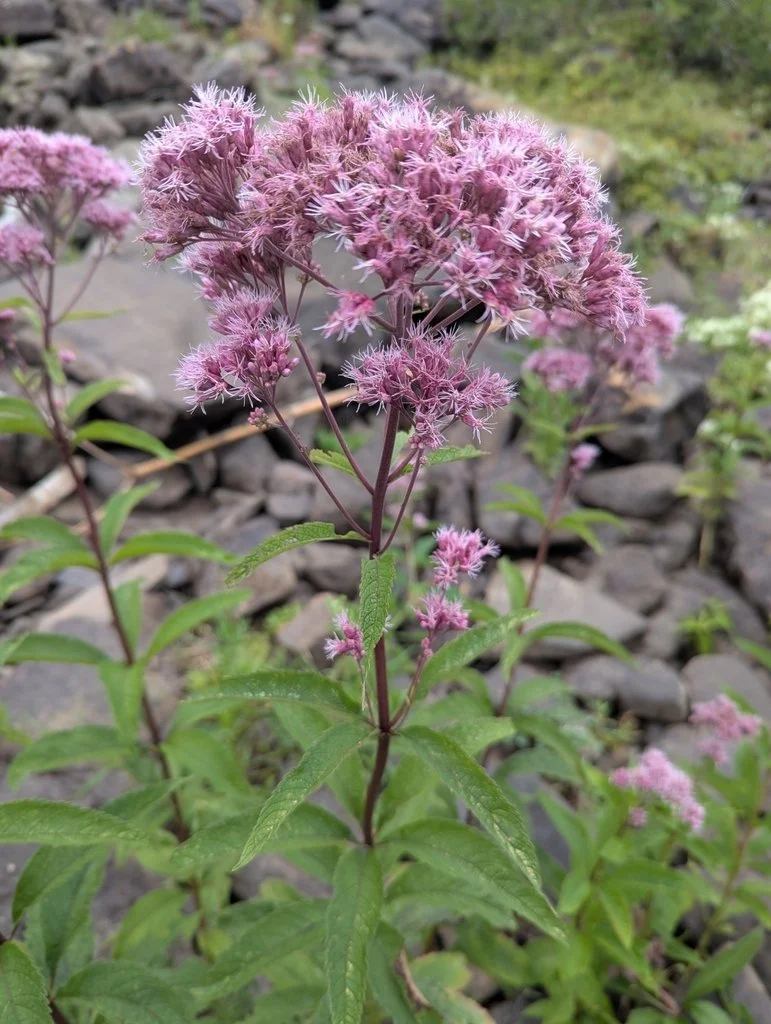 Image 1 of 6
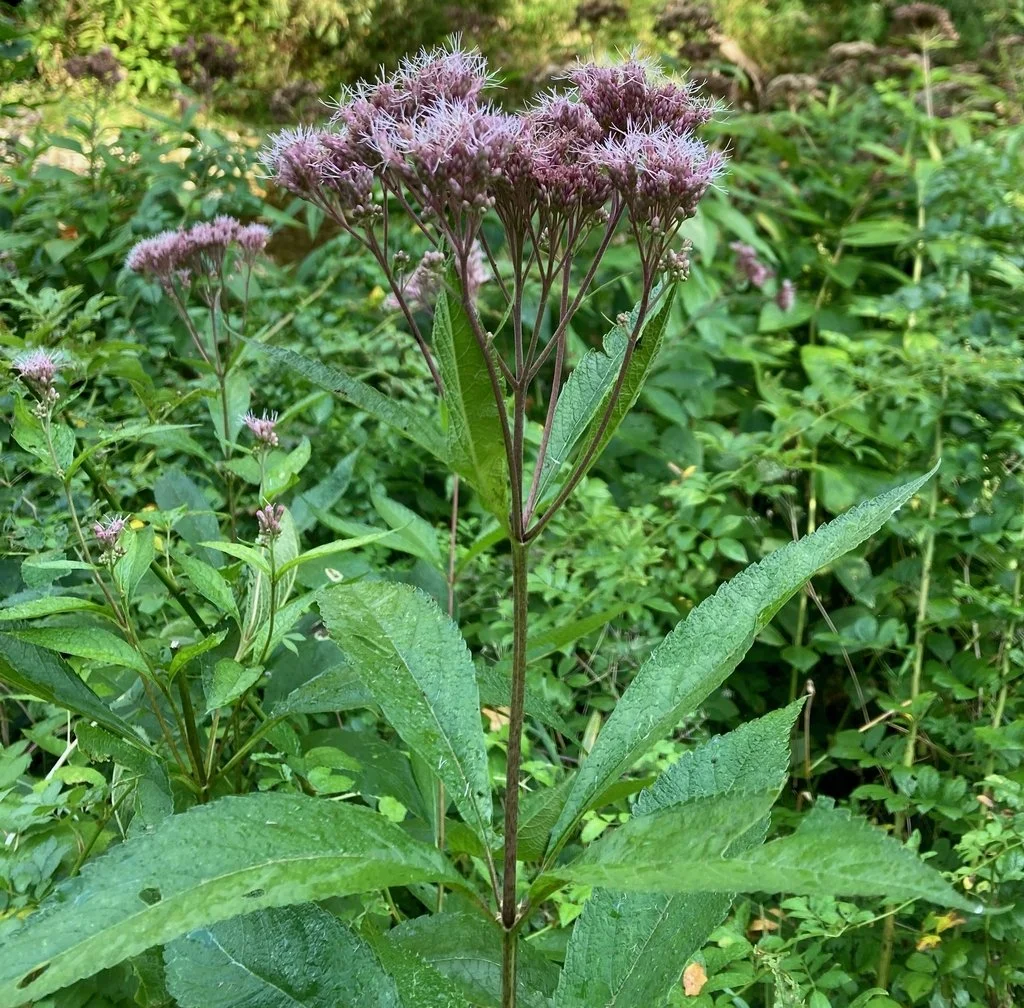 Image 2 of 6
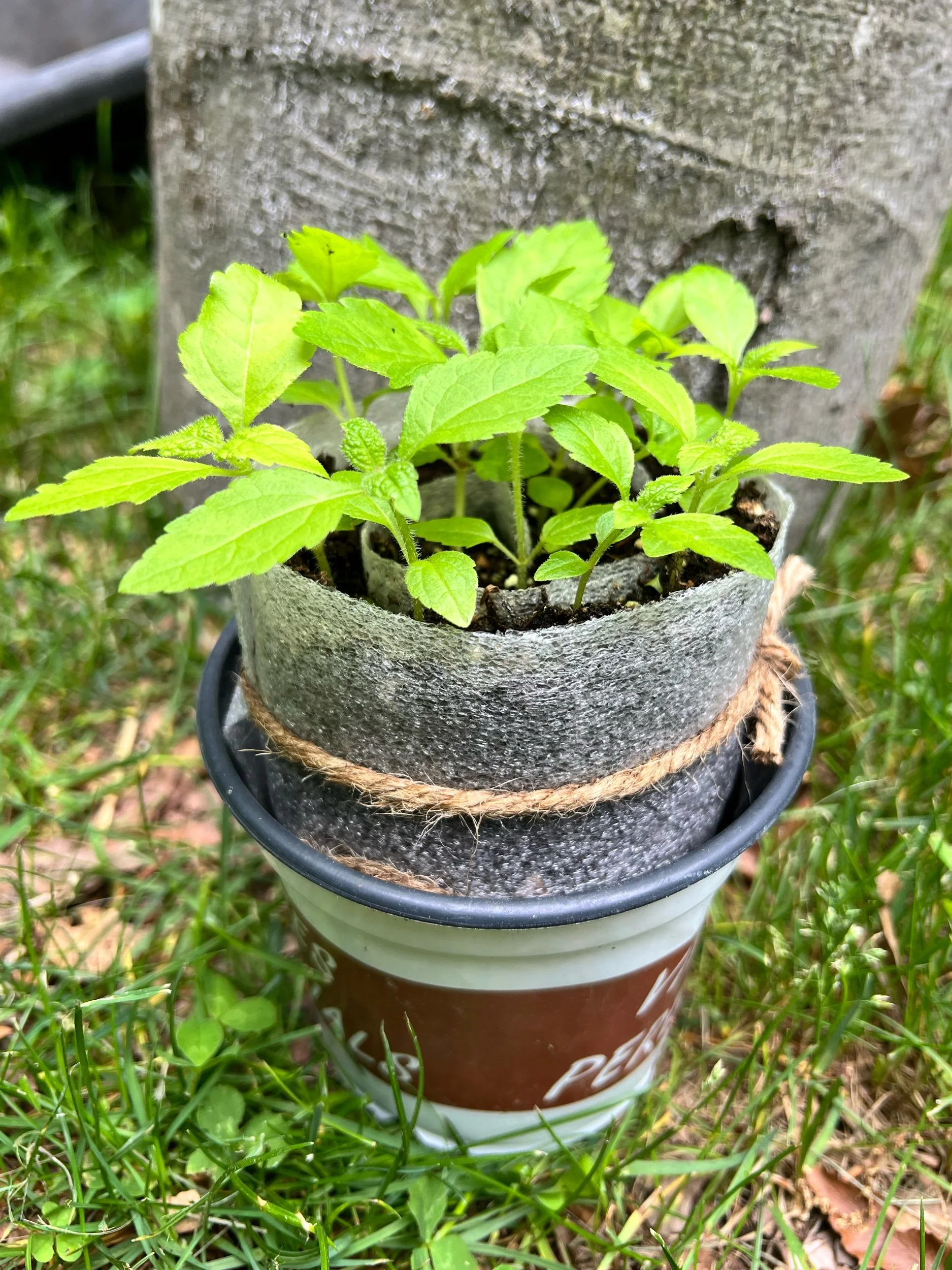 Image 3 of 6
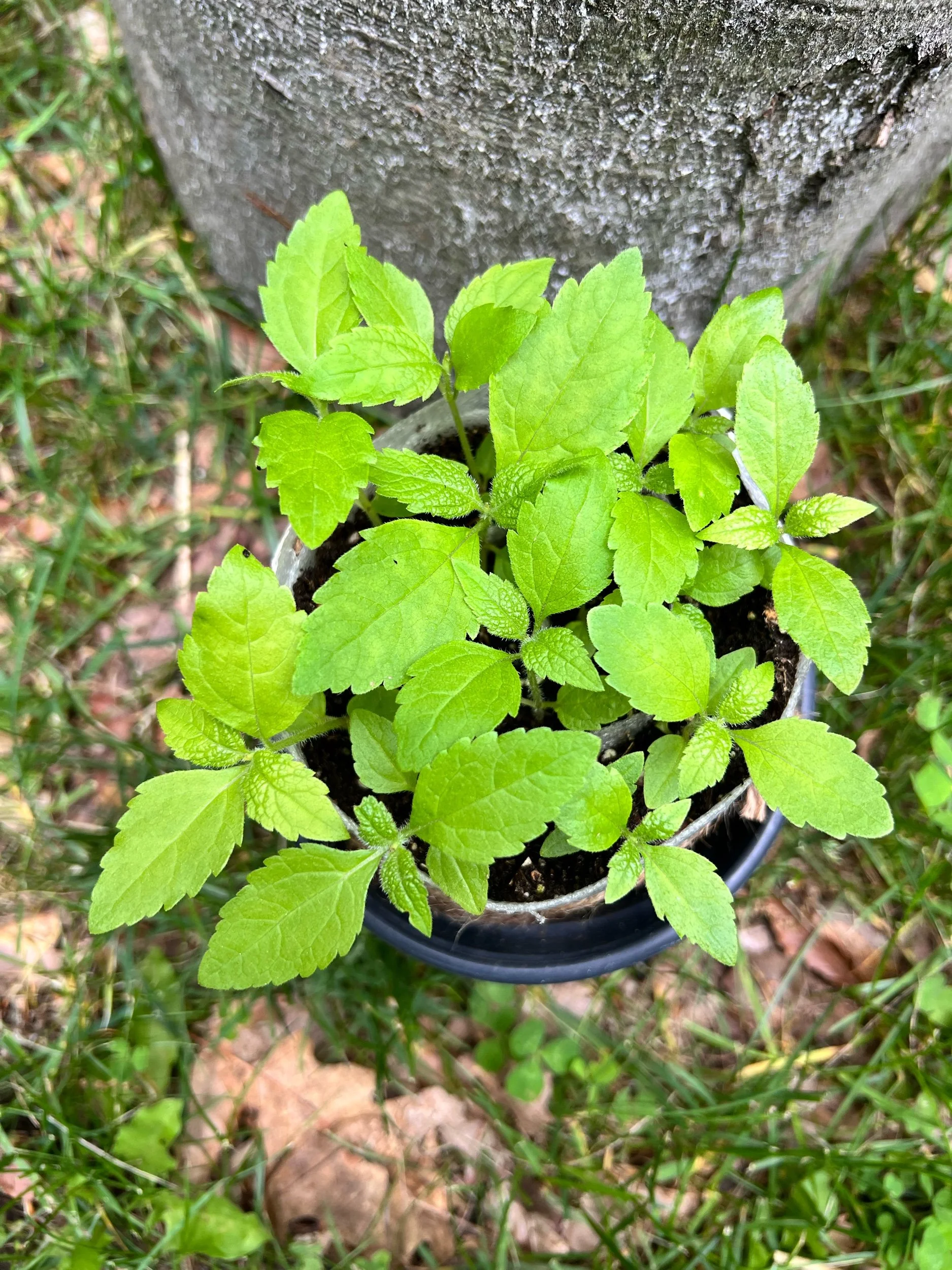 Image 4 of 6
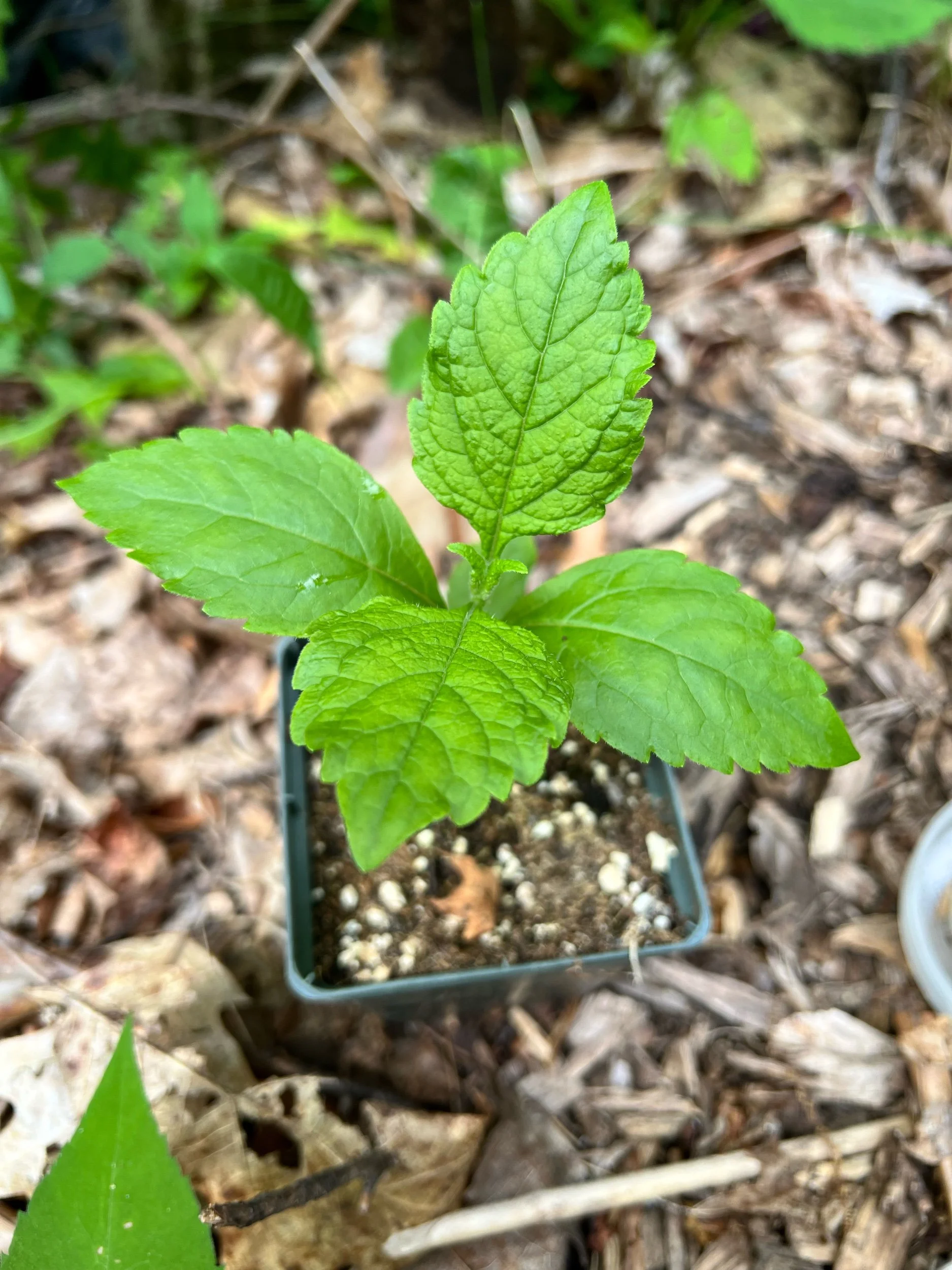 Image 5 of 6
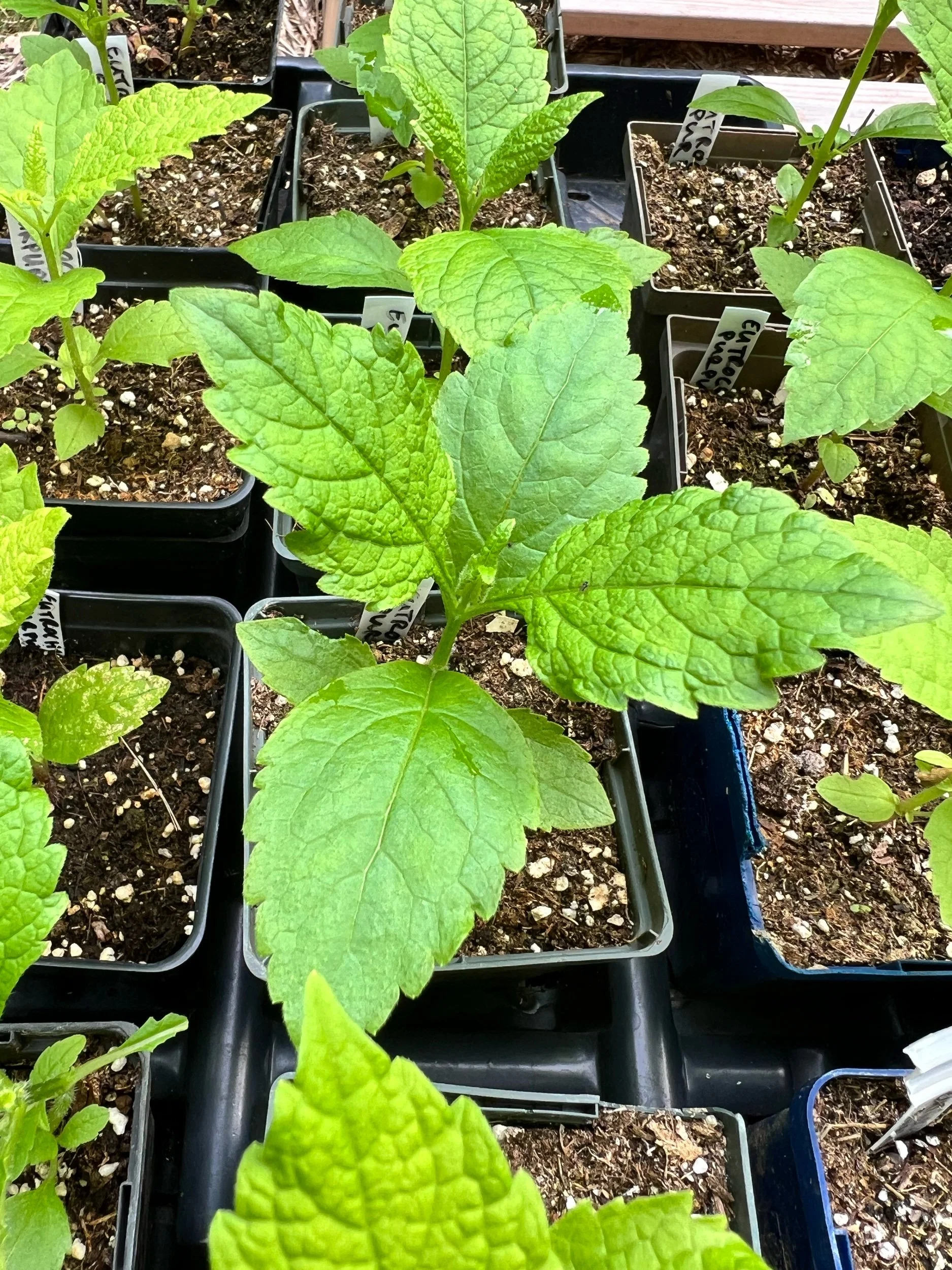 Image 6 of 6